Navigating Eastern Africa’s Community (EAC) Governance Pitfalls Amidst Expansion in Membership
Abstract
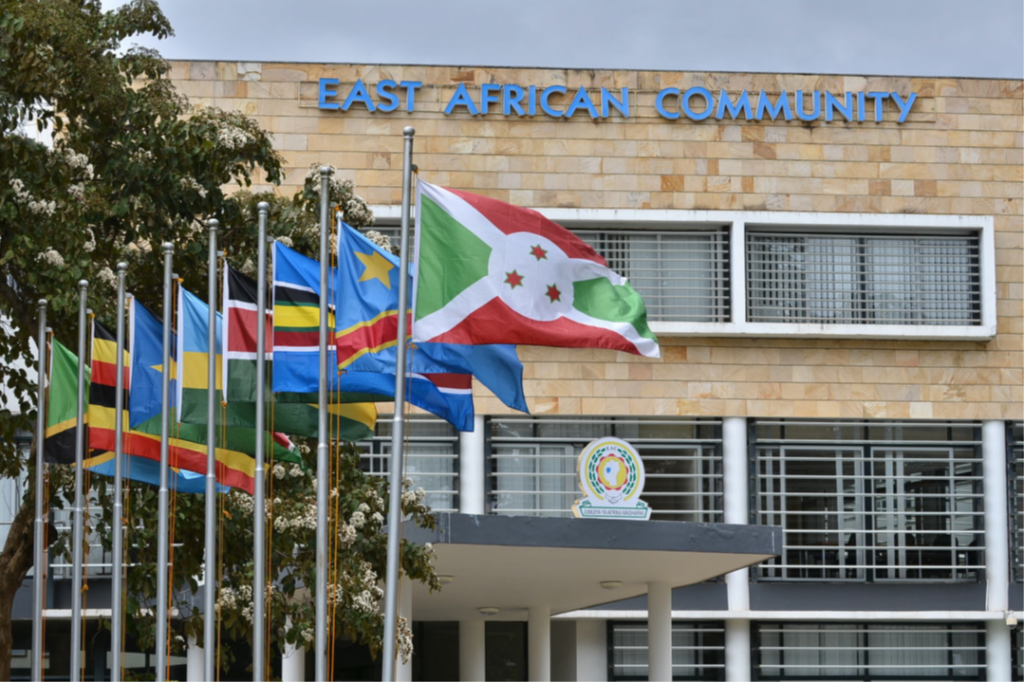
The brief opines that the goal of achieving enhanced collaboration and mutual benefit among nations as envisaged in the EAC treaty, could be hampered by the threats of political tensions and infighting among member countries. The situation is exacerbated by pursuit of expansion without addressing internal issues, thereby, undermining lasting cohesion of the bloc. If these setbacks are not tackled early enough, the undercurrents portend the instability of the bloc and may weaken its dominant role in championing integration in the African continent. The brief opines that the goal of achieving enhanced collaboration and mutual benefit among nations as envisaged in the EAC treaty, could be hampered by the threats of political tensions and infighting among member countries. The situation is exacerbated by pursuit of expansion without addressing internal issues, thereby, undermining lasting cohesion of the bloc. If these setbacks are not tackled early enough, the undercurrents portend the instability of the bloc and may weaken its dominant role in championing integration in the African continent. Key mitigations include forestalling intra-EAC tensions; monitoring the geopolitics of the region; managing peace and security concerns; and regional leadership. The brief recommends that the Council of Ministers should establish a political mechanism to manage regional geostrategic interests, prioritize the management of peace and security as well as economic expansion interests; revitalize confidence in the regional leadership; and invigorate EAC Dispute Resolution Mechanisms.
About the Author