
Implications of the Middle East Conflict on the Geopolitics of the Horn of Africa Region
Executive Summary
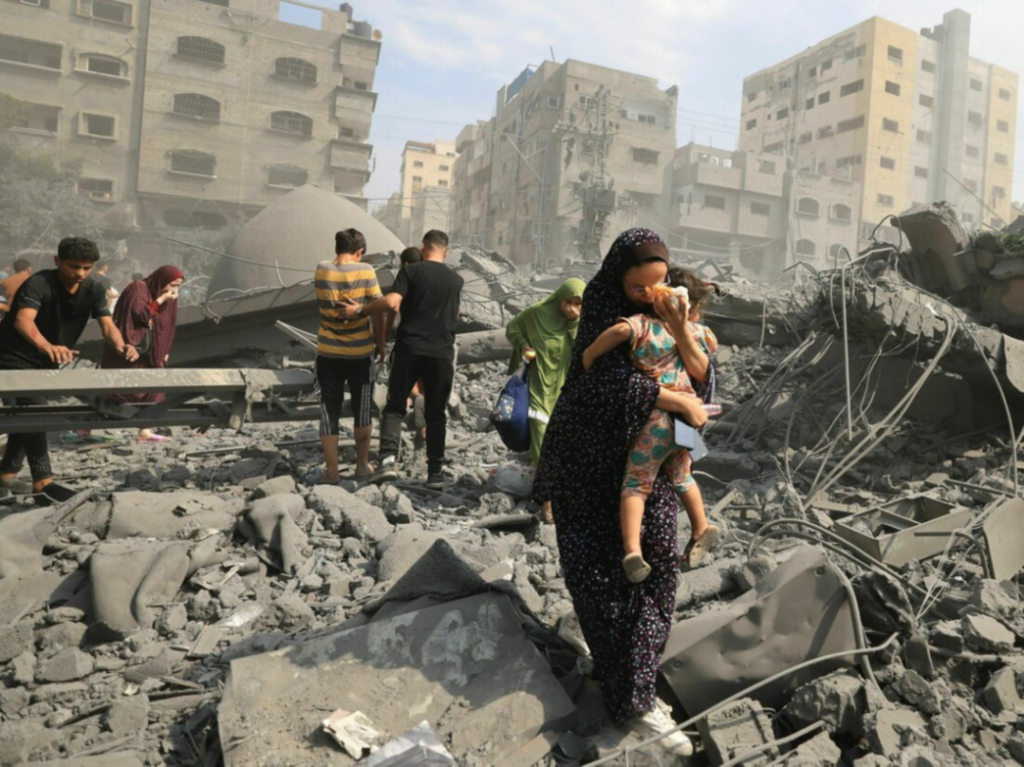
The Middle East conflict dynamics have profound impacts on the diplomatic, security, and economic landscape of the Horn of Africa (HoA) region. On one dimension, Israel has been involved in a protracted conflict encompassing Iranian-backed proxies, including Hamas, Hezbollah, Houthis, and Iran itself. On the other hand, Syria, following the ouster of President Bashar al-Assad by the rebel group Hayat Tahrir al-Sham (HTS), is now mired in renewed conflict. These dynamics have diverted international attention and resources away from pressing regional crises, such as the ongoing civil war in Sudan and the effects of climate change, thereby exacerbating these challenges. Additionally, the growing alliances between extremist groups like Al Shabaab in the HoA region and Middle Eastern factions, such as the Houthis, pose significant
security threats to the region. The undercurrents also influence the domestic affairs of HoA states, affecting both economic and political spheres, further complicating the region’s geopolitical landscape. To mitigate these impacts, this brief recommends that HoA states should robustly monitor extremist networks and the evolving dynamics of the Syrian conflict; maintain strategic neutrality; convene regional dialogues with multilateral partners to address arising vulnerabilities and address the ongoing war in Sudan; enhance naval cooperation to secure regional waters; strengthen counter-terrorism and intelligence efforts through Intergovernmental Authority on Development (IGAD); prioritize the allocation of financial and technical resources to support national and regional climate action plans; and boost intra-regional trade.
About the Author