Gloceps Chair Brig (Rtd) Wilson Boinett Launches Webinar Series On Institutionalizing The Raila Odinga Legacy for The Africa We Want
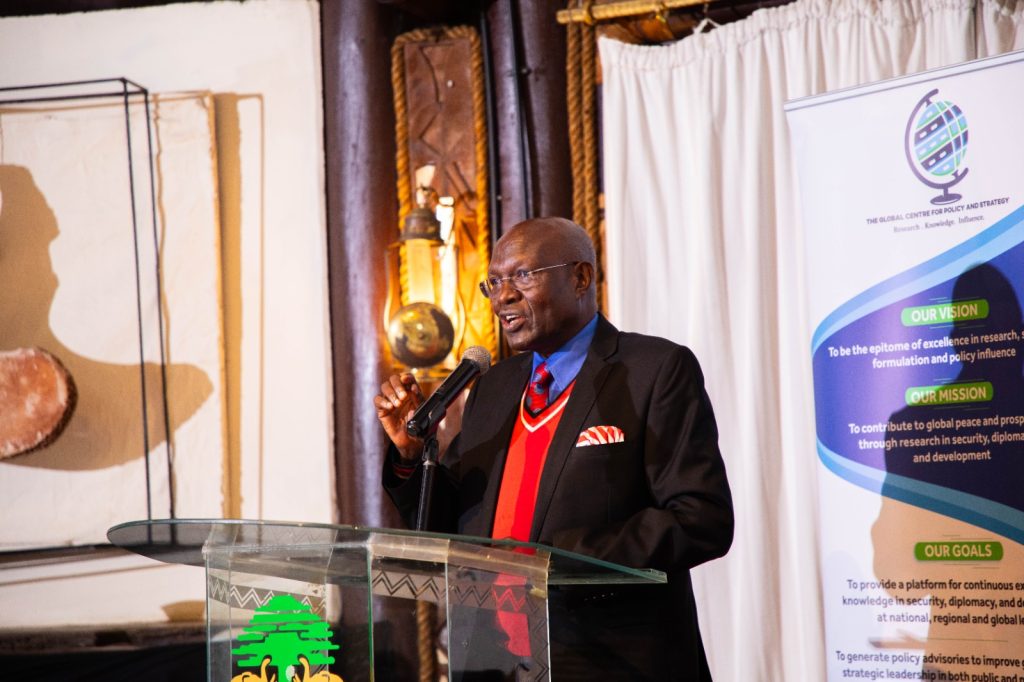
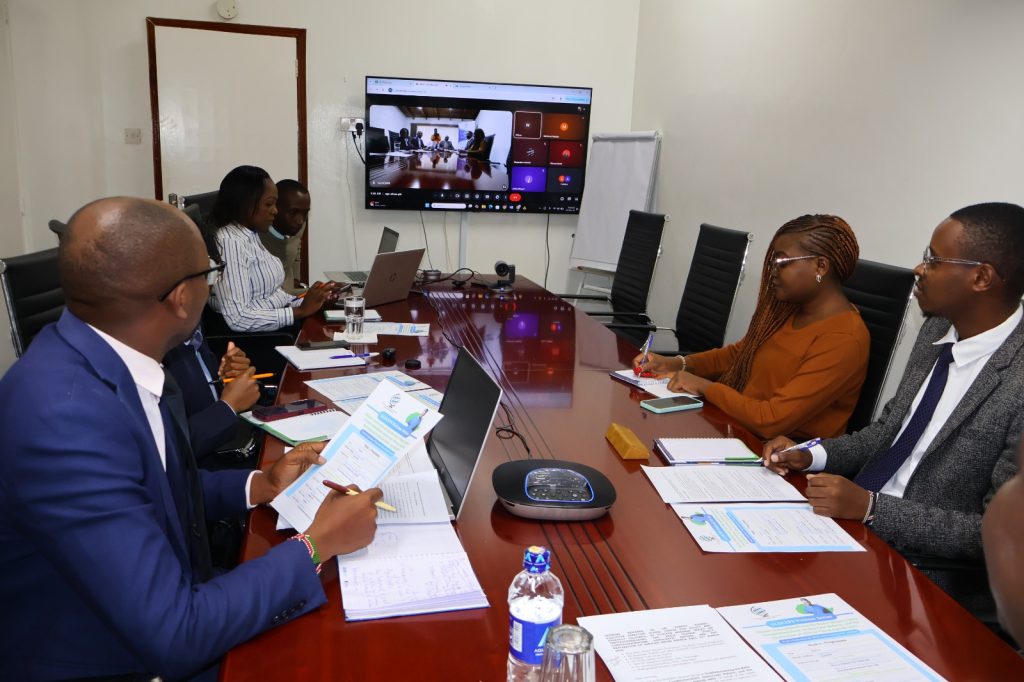
Brigadier (Rtd) Wilson Boinett, Chair of the GLOCEPS Council of Advisers, officially launched the institution’s inaugural webinar series on 25th March 2026 See event details.
The series, titled Institutionalizing the Raila Odinga Legacy: Constitutionalism, Democratic Reform, and the Realization of African Union Agenda 2063, marked the beginning of a high-level policy dialogue on governance resilience and ethical leadership that will run for ten weeks. Officiating the event, Brig. Boinett anchored the proceedings, setting the stage for critical reflections on political transitions and institution-building across Africa. Boinett drew on his extensive experience in Kenya’s political transitions to highlight the accommodation, compromise, and bargains framework, a defining feature of Odinga’s political strategy. He emphasized that Odinga’s approach offers enduring lessons in ethical leadership, governance resilience, and the stabilization of political crises, reinforcing the importance of institutional memory in navigating complex transitions.
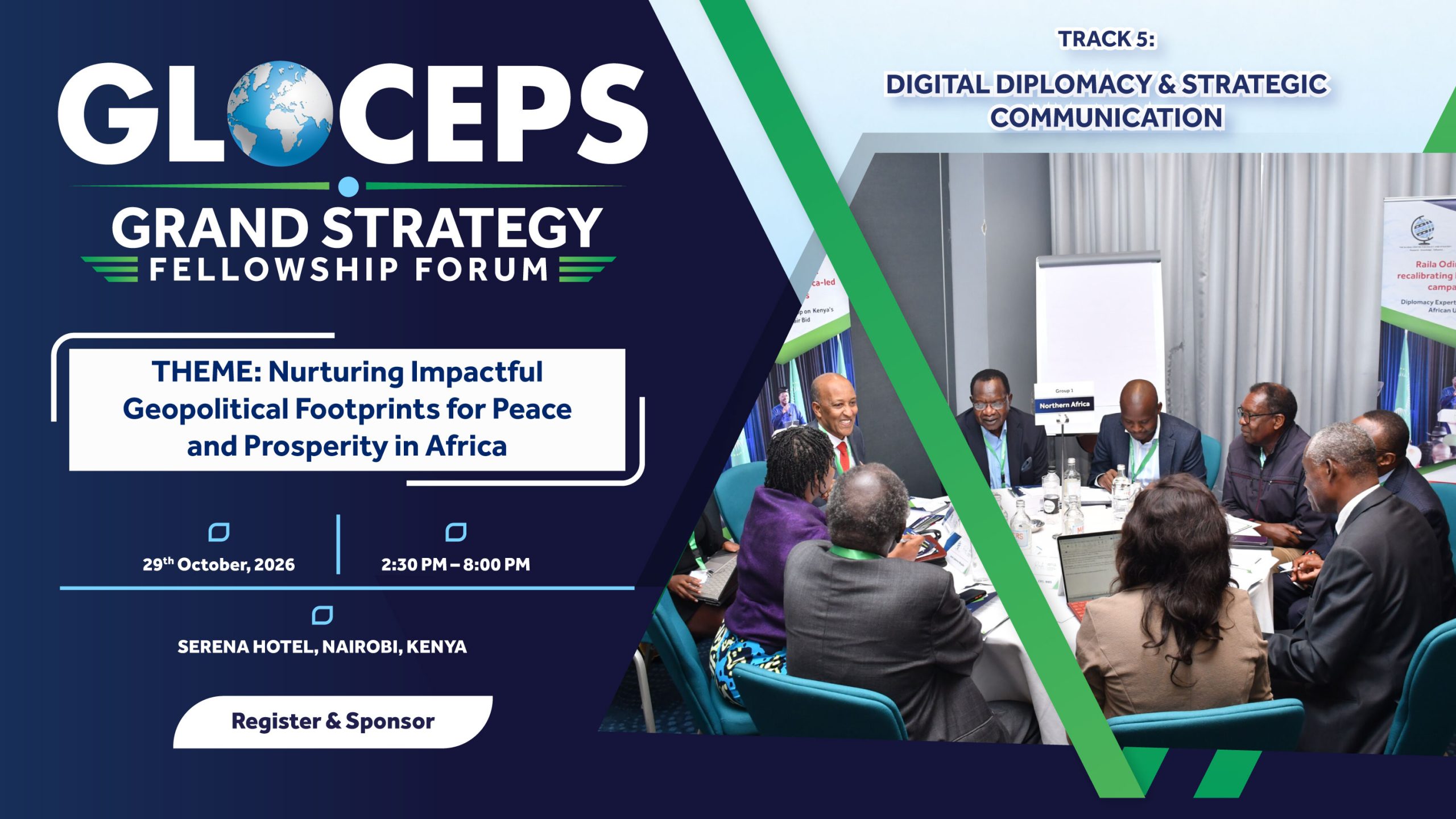
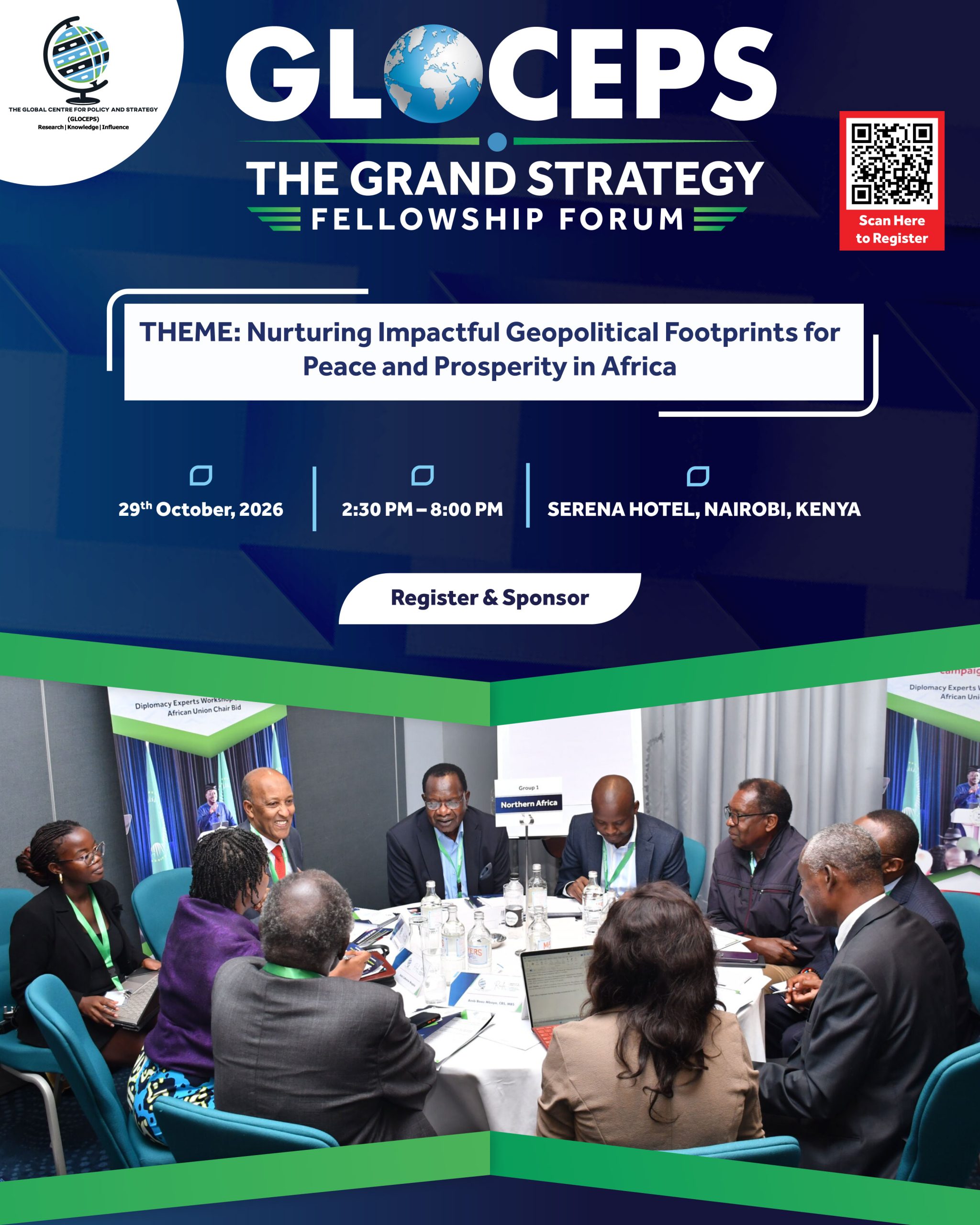
In his remarks, Dr. Kenedy Asembo, Executive Director of GLOCEPS, situated the webinar within the institution’s Governance and Ethics Pillar, an initiative dedicated to promoting ethical leadership, constitutionalism, and institutional accountability across the continent. He noted that the series builds on earlier GLOCEPS policy engagements, including a Diplomacy Experts Workshop held in Nairobi on 1st November 2024, in collaboration with the Raila Odinga African Union Commission (AUC) Campaign Secretariat. The workshop examined the strategic alignment between Odinga’s reformist agenda and the aspirations of the African Union Agenda 2063, commonly known as The Africa We Want.
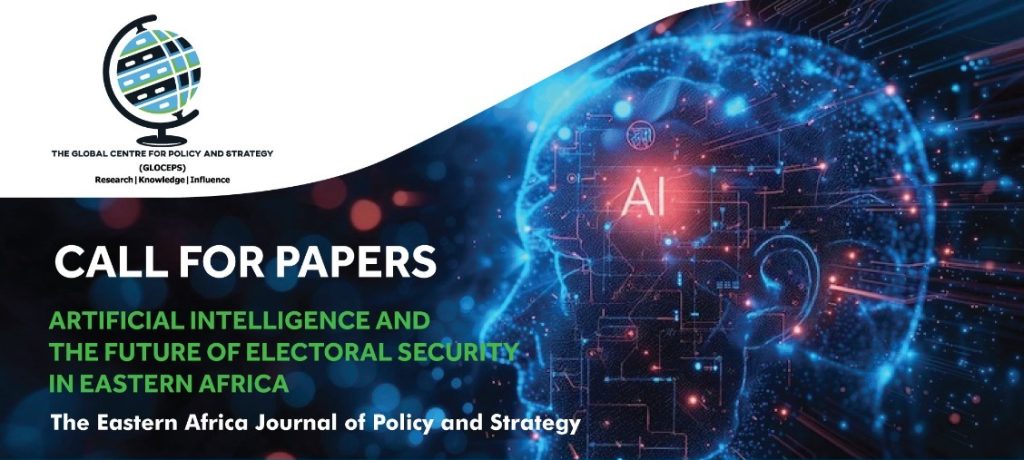
Dr. Asembo further recalled that following Odinga’s passing, GLOCEPS issued a Call for Papers on 5th November 2025 for publication in a Special Issue of the Eastern Africa Journal for Policy and Strategy, inviting scholars to reflect on the institutionalization of reformist political traditions beyond individual leaders. A total of twenty-one papers were selected after a rigorous review process, forming part of the intellectual foundation for the webinar series.
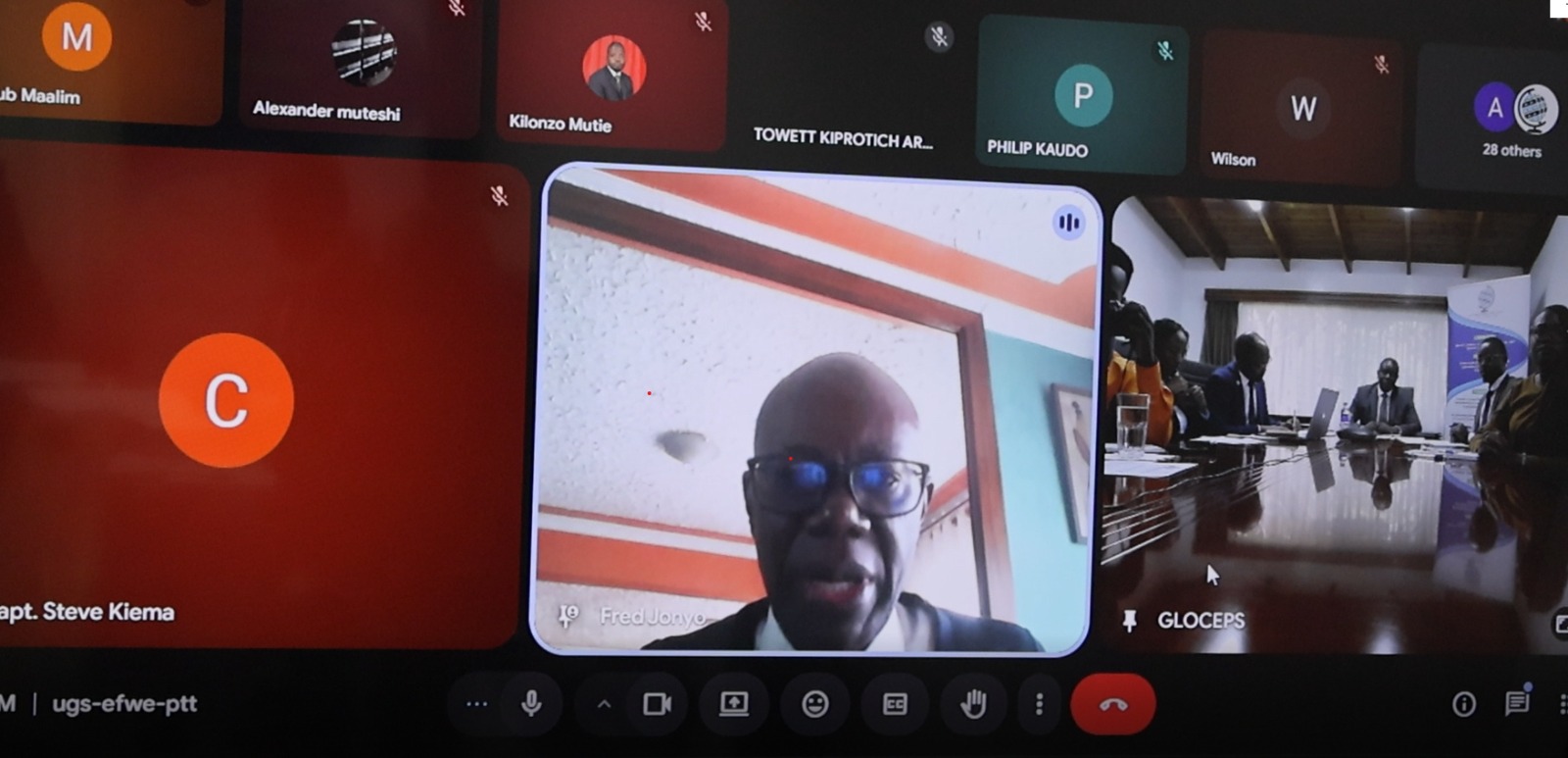
The Inaugural session centered on the manuscript “Building a One United Kenya? Inside Raila Odinga’s Politics of Political Reconciliation” authored by Prof Fred Jonyo, a political science scholar at the University of Nairobi, and his colleague, Mr. Philip Kaudo. It was moderated by Stephen Kiema, a non-resident research fellow at GLOCEPS. The discussants were Ambassador Dr. Josephine Ojiambo, a seasoned diplomat and interdisciplinary researcher at the University of Nairobi, and Dr. Ochieng Kamudhayi, a political science and international relations scholar at Strathmore University. They underscored the paper’s historical depth while recommending further exploration of comparative reconciliation episodes, citizen and youth perspectives, theories of power sharing, and clearer policy lessons for balancing stability with democratic accountability.
Plenary participants emphasized that the discussion needs to be broadened to encompass Kenya’s challenges in multiethnic democracy, Odinga’s influence on constitutional jurisprudence, Pan-African initiatives, and grassroots concerns such as education, land rights, and human rights. They also underscored the importance of generational perspectives, the long-term effects of elite-driven political compromises, and the need for actionable mechanisms to enforce African Union normative frameworks.
The key recommendations from the dialogue included clarifying conceptual frameworks for reconciliation, strengthening empirical evidence of policy impact, deepening theoretical and comparative analysis, incorporating citizen-centered perspectives, and exploring mechanisms to institutionalize political crisis management.
In his concluding remarks, GLOCEPS Council member Alexander M. Imbenzi affirmed that sustainable democratic progress depends on robust institutions anchored in constitutionalism, accountability, and inclusive governance principles essential to realizing the long-term vision of the African Union Agenda 2063.