Trump Global Tariffs and Economic Repercussions for East Africa
Executive Summary
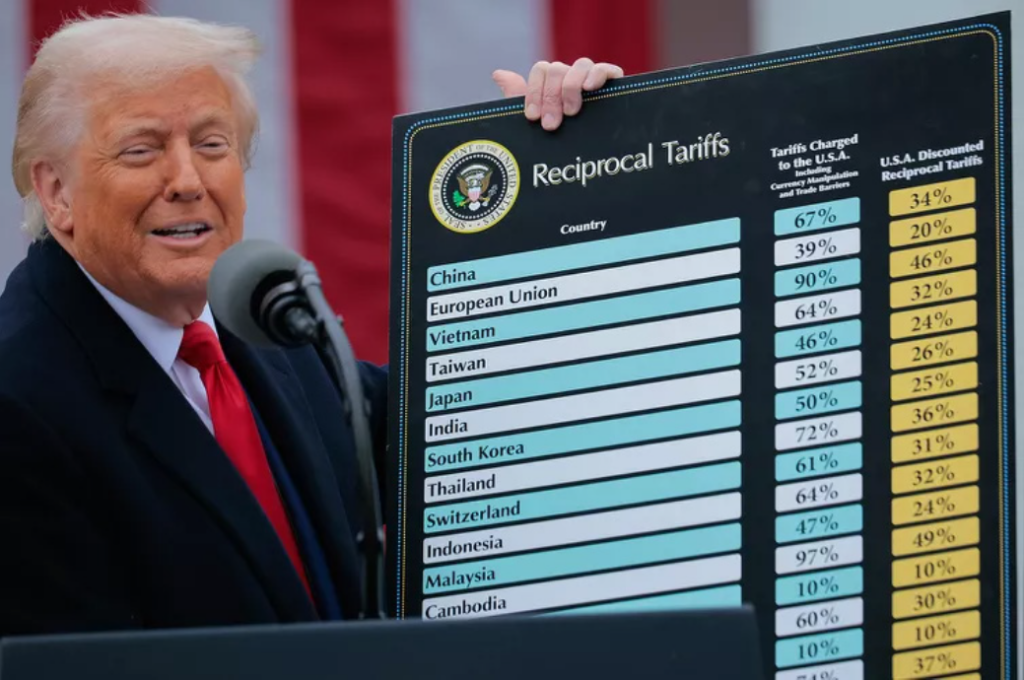
In early April 2025, President Donald Trump implemented a raft of global tariffs under the “Liberation Day” executive orders. These orders targeting over 180 countries, including East African nations such as Kenya, Uganda, Tanzania, Rwanda, the Democratic Republic of Congo, and Ethiopia illustrate the United States’ prioritization of trade tariffs in its geopolitical, geo-commercial, and foreign policy arsenal. While these tariffs were initially expected to retaliate against the US’s major geopolitical and trading allies and rivals like China, India, the EU, and Japan, the extension to developing economies like East Africa has raised concerns about their effects on the region’s economic exposure and stability. These actions have been undertaken despite the Africa Growth and Opportunity Act (AGOA) being operational until September 2025, and additional safeguards under the World Trade Organizations (WTO) agreement. Potential WTO rules violations of Article II of GATT 1994 that requires members not to impose tariffs exceeding the “bound rates” made during trade negotiations, and the Most Favored-Nation (MFN) principle that mandates that any trade advantage granted to one WTO member must be extended to all other members. Moreover, Special and Differential Treatment (S&D) safeguards developing countries from tariffs that disproportionately impact them due to their unique challenges. This commentary examines the background of Trump’s tariffs and the impact on AGOA. Additionally, it explores the potential safeguards for East Africa and the geopolitical and economic repercussions of the tariff measures.
About the Author