
The Fragility of South Sudan: Revisiting Key Impediments to Lasting Peace and Security
Executive Summary
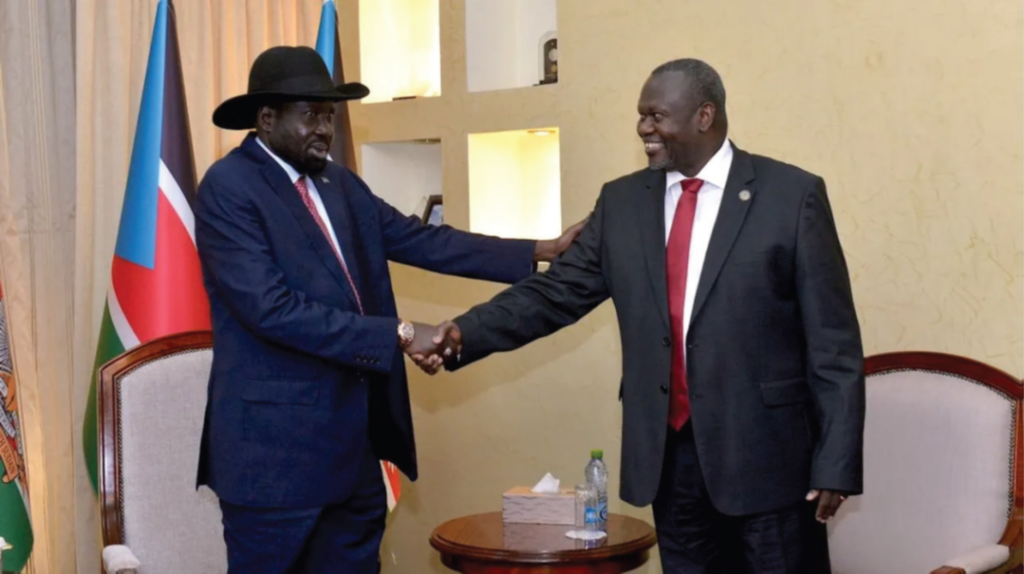
South Sudan’s peace processes have been consistently undermined by cycles of violence, political rivalries, and weak institutional frameworks since its independence in 2011. The recent escalation of tensions threatens not only the stability of South Sudan but also the broader Horn of Africa (HoA) region. The intensifying hostilities risk exacerbating an already dire security situation and humanitarian crisis. This brief argues that the personalization of politics, political apathy towards peace implementation, lack of national ownership, competing regional and international interests, and institutional weaknesses continue to obstruct the effective realization of peace agreements in South Sudan. To address these challenges, it recommends, holding political leaders accountable for delaying elections or derailing the peace processes through domestic legal actions
and international sanctions; effective integration of civil society, women, and youth into peace processes; establishing a clear, non-extendable election timeline to ensure free and fair polls; operationalizing the National Election Commission; implementing security sector reforms, including the integration of militias into a unified national army; and aligning international efforts with South Sudan’s specific peacebuilding needs, avoiding imposed external agendas. These recommendations will go a long way in enhancing sustainable peace and security in South Sudan.
About the Author