

Redressing Youth Grievances in Eastern Africa: Comparative Lessons from Nepal’s 2025 Crisis
Abstract
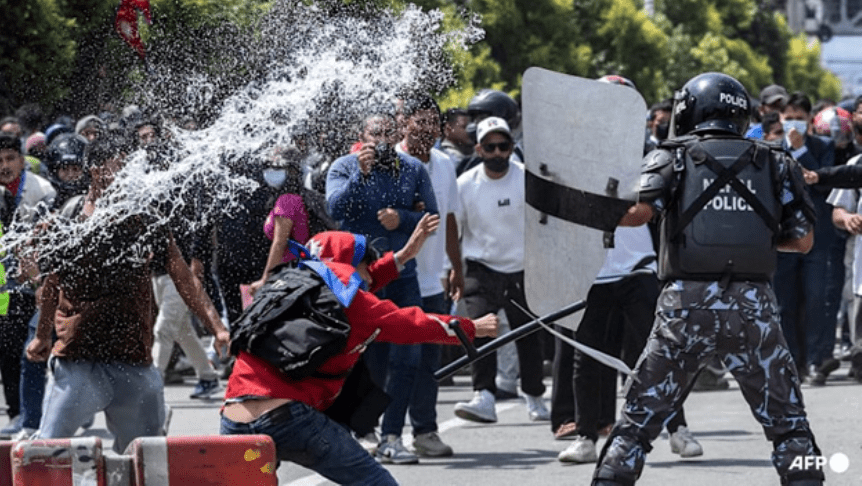
The 2025 youth-led uprising in Nepal, which culminated in the resignation of Prime Minister KP Sharma Oli, serves as a critical case study for political instability driven by a convergence of youth specific grievances. This policy brief argues that the broader Eastern Africa region, encompassing the member states of the East African Community (EAC) and the Intergovernmental Authority on Development (IGAD), is replicating the Nepal precipitating conditions, which include systemic political exclusion, entrenched corruption, economic despair, and digital repression.
Executive Summary
The 2025 youth-led uprising in Nepal, which culminated in the resignation of Prime Minister KP Sharma Oli, serves as a critical case study for political instability driven by a convergence of youth-specific grievances. This policy brief argues that the broader Eastern Africa region, encompassing the member states of the East African Community (EAC) and the Intergovernmental Authority on Development (IGAD), is replicating the Nepal precipitating conditions, which include systemic political exclusion, entrenched corruption, economic despair, and digital repression. With over 70% of its population under 35, this vast region faces an existential threat to its stability and development gains. Drawing on comparative analysis and regional data, this brief contends that state responses of repression and co-option are failing. It concludes that preemptive, institutionalized reforms focused on meaningful youth inclusion are not merely beneficial but essential to avoiding a region-wide crisis. The recommendations provide a multi-level roadmap for national governments, regional bodies, and private actors to transform the region’s demographic youth bulge from a risk into a dividend.
About the Authors