Empowering the Educator: A Policy Imperative for Faculty AI-readiness in Eastern Africa’s Higher Education
Executive Summary
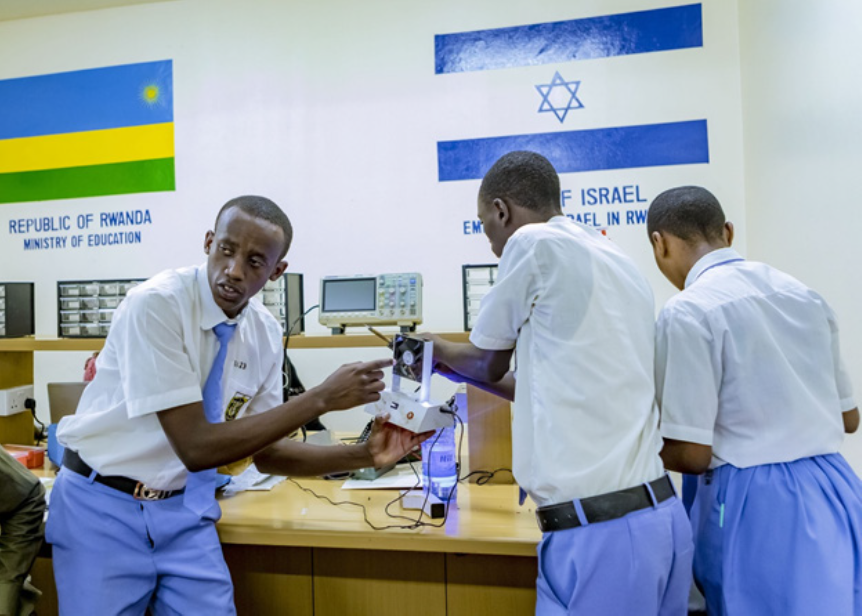
In the context of the Fourth Industrial Revolution, STEM education is pivotal to East Africa’s economic transformation, innovation, and competitiveness. While regional initiatives like the EAC Regional Strategy for STEM and national efforts, and national level initiatives such as Kenya’s Competency- Based Curriculum and Rwanda’s digital literacy programs reflect progress, systemic challenges persist. Structural gaps, including chronic underfunding that average 2-4% of GDP, acute teacher shortages particularly in STEM subjects, and inadequate infrastructure exacerbated by rural disparities where 90% of schools lack functional laboratories collectively hinder equitable access to quality education. Moreover, gender imbalances limit participation, with women underrepresented in non-health STEM fields. Curriculum misalignment with industry needs,
outdated teaching methodologies, and fragmented regional coordination compound these barriers. Addressing these issues demands strategic reforms. These include scaling education sector investment to meet the 4-6% GDP benchmark, modernizing curricula with emerging technologies like artificial intelligence, big data, machine language and robotics, and expanding teacher training programs. Strengthening public-private partnerships to bridge resource gaps and curriculum upgrades, harmonizing policies across EAC member states, and leveraging indigenous and scalable digital innovations and solutions are
critical. By prioritizing these measures, East Africa can cultivate a skilled STEM workforce, align education with labor market demands, and harness technological advancements to drive sustainable development, positioning the region as a competitive player in the global knowledge economy.
About the Author